Legal Update
Punjab & Haryana High Court continues hearing writ and bail matters through the week MACT — compensation claim timelines and evidentiary standards under continued judicial review BNSS provisions reshape criminal trial and bail practice across Indian courts Family courts continue to prioritise mediation ahead of contested matrimonial trial Service and writ jurisdiction remain central to the High Court's constitutional docket Bar associations reaffirm emphasis on courtroom decorum and professional standards
About

A career measured
in case files, not headlines.

From a first chamber in Ludhiana to a chair at the Bar of the Punjab and Haryana High Court — the record of Amandeep Singh Rai's practice.

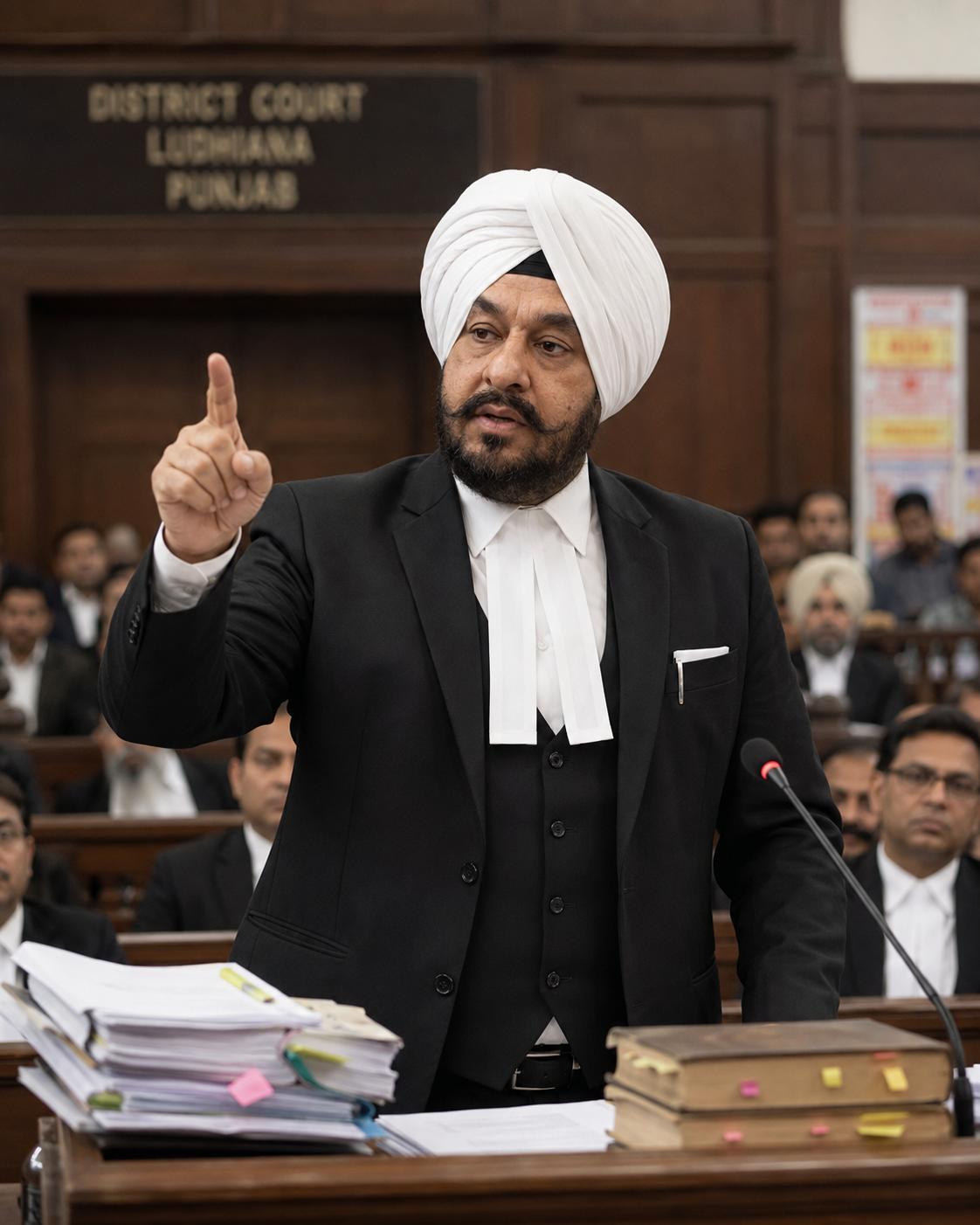
Amandeep Singh Rai making a submission at the District Court, Ludhiana, beneath its signage
District Court, Ludhiana
Where it began

November 2000, Chamber No. 209


Amandeep Singh Rai was enrolled as an advocate and began practice in November 2000, setting up chambers at No. 209 in the Lawyers Complex of the new District Court, Ludhiana, Punjab. It is a starting point that still defines the practice: not a corporate office but a working chamber inside the district court complex, steps from the courtrooms where the files were actually argued.

The early years of practice were built on civil and criminal trial work in Ludhiana's district courts — drafting pleadings, examining witnesses, and appearing before trial judges on a daily docket. That trial-court discipline, learned on the floor of the district court rather than in a library, is the foundation on which the rest of the career was built.
A family in the law

S. Paramjit Singh Rai — Director, Prosecution & Litigation, Punjab (1997–2008)

The practice carries a second generation of public legal service. Amandeep Singh Rai's father, S. Paramjit Singh Rai, served the State of Punjab as Director of Prosecution and Litigation from 1997 to 2008 — a tenure spent overseeing the State's prosecution machinery and litigation strategy, which ran alongside and preceded his son's own five and a half years as Deputy Advocate General, Punjab.

The record

Career docket

Two and a half decades, from a district-court chamber to the Bar of the High Court.

NOV 2000

Begins independent practice, Ludhiana

Enrolled as an advocate and opened chambers — No. 209, Lawyers Complex — at the new District Court, Ludhiana, Punjab, taking up civil and criminal briefs.

2000–2007

Trial-court practice deepens

Seven years of sustained district-court advocacy across civil suits, criminal trials, and matrimonial matters, building the caseload and courtroom command that would carry into government service.

APR 2007

Appointed Deputy Advocate General, Punjab

Began representing the State of Punjab as Deputy Advocate General (DAG), appearing on the government's behalf before the Punjab and Haryana High Court.

OCT 2012

Concludes tenure as Deputy Advocate General

Completed five and a half years representing the State of Punjab, returning to a full-time private practice built on that experience before the High Court.

2012–PRESENT

Practice before the Punjab and Haryana High Court

A standing practice in civil, criminal, MACT, matrimonial and writ matters, argued before the Punjab and Haryana High Court at Chandigarh, alongside continued work from the Ludhiana chambers.

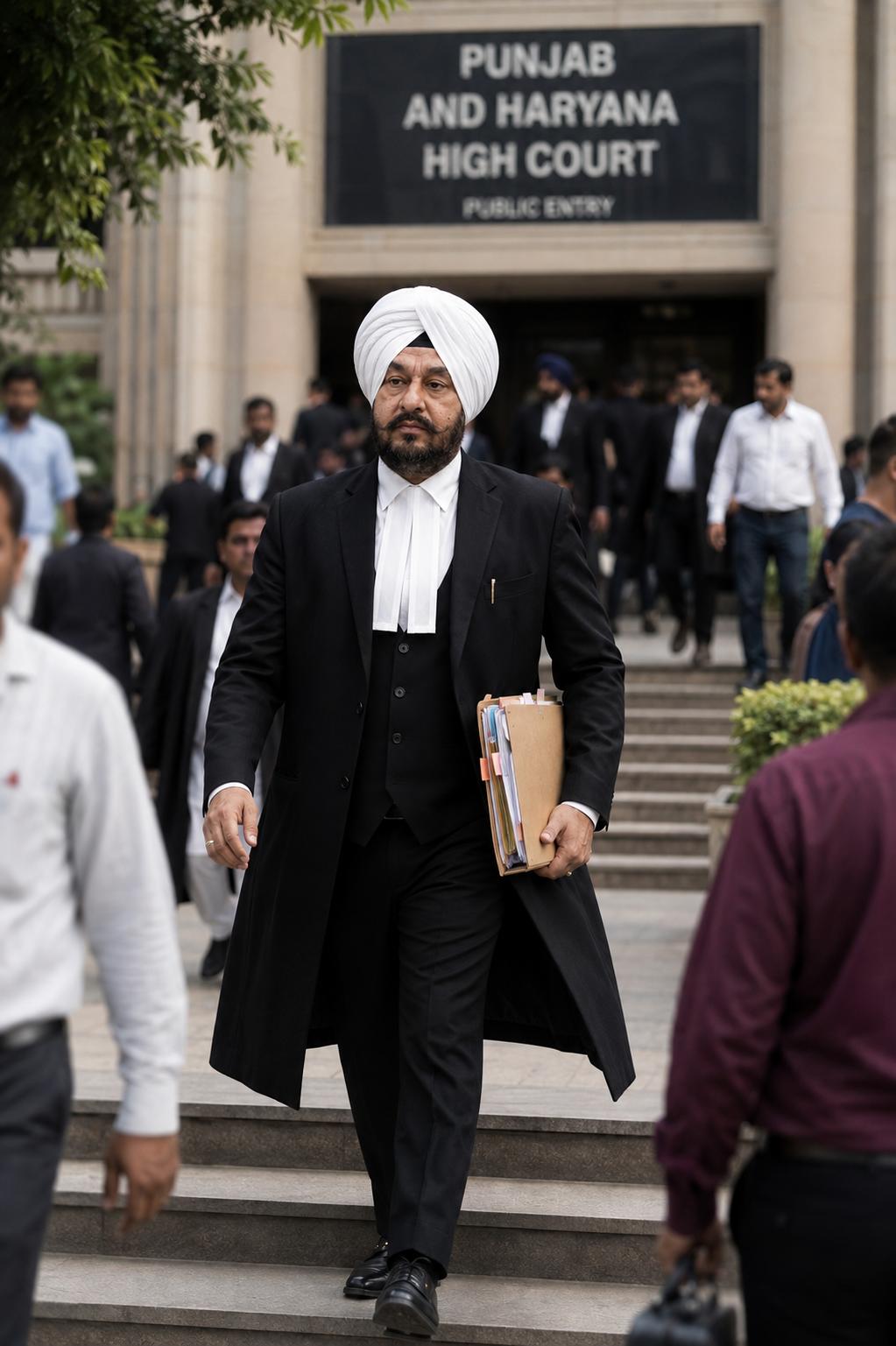
Amandeep Singh Rai on the steps of the Punjab and Haryana High Court, file in hand
Punjab & Haryana High Court, Chandigarh
Present practice

Chandigarh, and the district courts of Punjab


Today, Amandeep Singh Rai appears before the Punjab and Haryana High Court in Chandigarh on civil, criminal, motor accident compensation (MACT), matrimonial, and writ matters, while continuing to hold chambers in Ludhiana. The practice spans both registers of Indian litigation — the closely-managed trial-court file and the constitutional and appellate argument of the High Court.

His years as Deputy Advocate General of Punjab remain a defining chapter: five and a half years spent on the other side of the government table, arguing the State's position on writ and service matters before the same High Court where he now appears in private practice.

More on the Deputy Advocate General Years
In his own words
"A trial-court chamber teaches you to read a file the way a High Court bench will — carefully, and without assuming anyone else has done the work first."